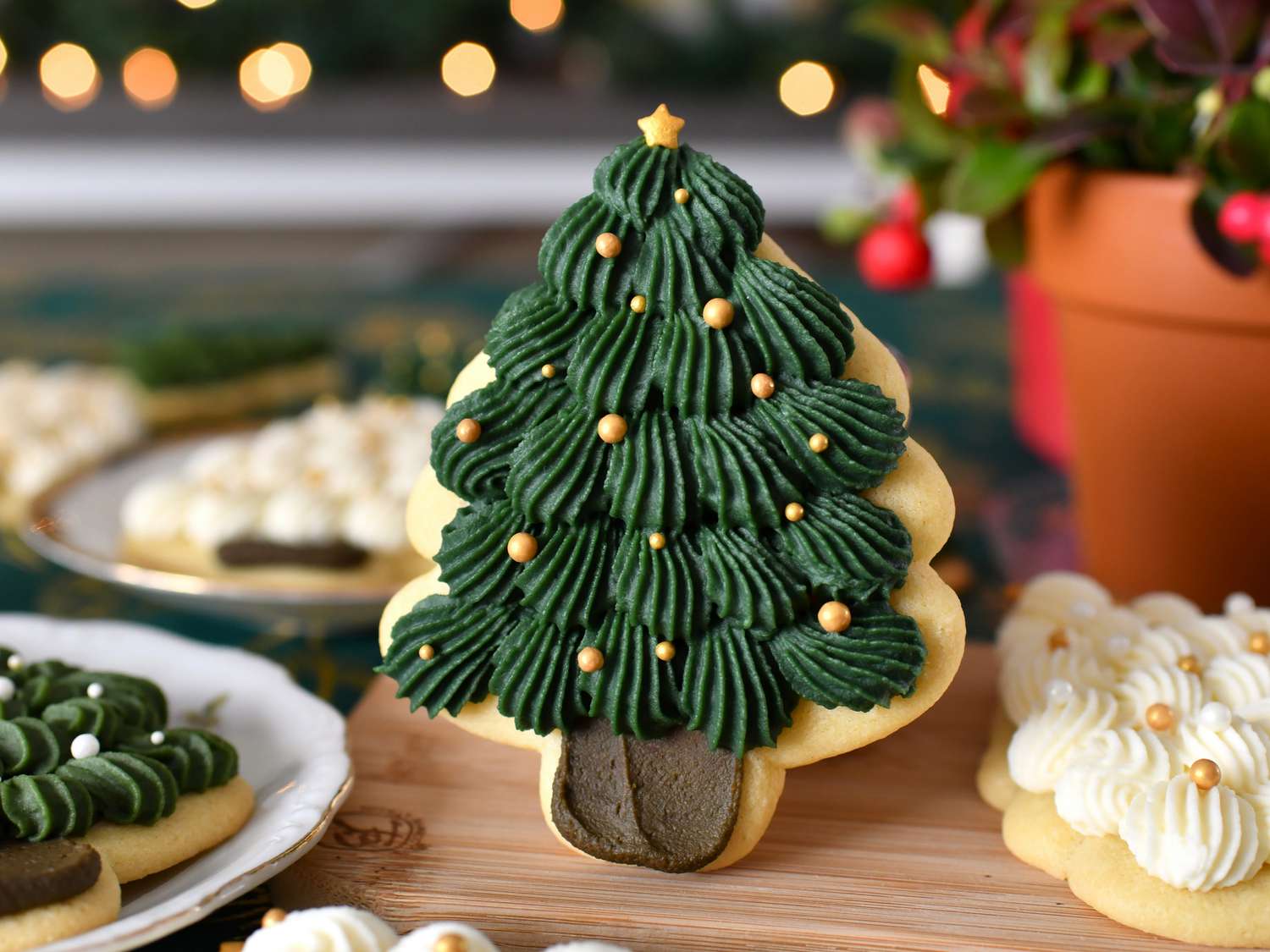
Cookies at Christmas: A Quiet Tradition That Stays
Cookies tend to appear every December without much planning. Someone brings out a recipe that’s been used for years, ingredients are set on the counter, and the process begins almost automatically. It’s not always neat, and it’s rarely efficient, but it happens anyway.
Christmas has a way of changing how we see time. Days feel fuller, expectations stack up, and routines shift. In the middle of all that, baking cookies feels familiar. The steps are simple and predictable. Measure, mix, wait. For a short while, attention stays in one place instead of being pulled in several directions.
As children, cookies were mostly about the result. As adults, the process starts to matter more. You notice how long things take. You notice the quiet moments while the oven runs. You notice how doing something with your hands can slow your thoughts, even briefly.
Cookies also reflect how Christmas changes as we grow older. The season isn’t only about celebrations anymore. It includes planning, spending, deadlines, and responsibilities that don’t pause just because it’s December. Baking doesn’t remove those things, but it offers a small space where nothing else is required of you.
There’s no pressure for cookies to be impressive. Some turn out uneven. Some are overbaked. Some disappear faster than expected. None of that really matters. What matters is that they were made at all.
At Christmas, cookies often get shared. With family, with coworkers, with neighbors, or simply left on the counter for anyone passing by. They become a quiet way of saying, “I thought of you,” without needing a long explanation.
In the end, cookies don’t define Christmas, but they anchor it. They show up year after year, unchanged by trends or schedules. And in a season that asks for a lot, that kind of consistency is enough.